Short answer: Sa tế is a Vietnamese chili oil built on lemongrass, shallot, garlic and dried chili, slowly fried in oil and seasoned with soy sauce and sugar instead of the usual dried shrimp or fish sauce. It takes about 30 minutes and gives a fragrant, smoky heat that is wonderful on tofu banh mi. Because aromatics in oil are a botulism risk, store it in the fridge and use it within one week, or freeze it in portions.
What sa tế is and where it shows up
Sa tế (sometimes written sate) is the dark red, oily chili paste you find in small jars on noodle-shop tables across Vietnam, especially alongside bún bò Huế (Hue-style spicy noodle soup) and hủ tiếu (clear noodle soup). Its signature is lemongrass, fried until crisp and fragrant, suspended in chili-stained oil. Many versions contain dried shrimp or fish sauce; vegetarian shops make sa tế chay (vegetarian sa tế) with soy sauce, mushroom seasoning and sometimes fried tofu bits for texture.
On banh mi, a half teaspoon of sa tế adds both heat and aroma, a different kind of spice from the bright, vinegary punch of a cooked chili sauce. It is especially good with lemongrass tofu, mushrooms and fried tofu skin. If you prefer a smooth, sweet-sour sauce, our sauces and spreads section has a homemade tương ớt recipe too.
Ingredients
Makes about 300 ml (1 1/4 cups).
- 4 stalks lemongrass (about 80 g trimmed weight), tender lower part only
- 4 shallots (about 120 g)
- 1 head garlic (about 40 g)
- 30 g (about 1/2 cup) dried chili flakes; see the chili table below
- 2 to 6 fresh red bird's eye chilies, finely chopped (optional, for extra fire)
- 240 ml (1 cup) neutral oil: peanut, rice bran or sunflower
- 1 tablespoon (8 g) annatto seeds (optional, for deep red color)
- 2 tablespoons (30 ml) light soy sauce
- 1 tablespoon (12 g) sugar
- 1/2 teaspoon (3 g) salt, or 1 teaspoon mushroom seasoning powder
| Chili flakes | Heat | Color | Character |
|---|---|---|---|
| Korean gochugaru | Mild to medium | Brilliant red | Fruity, slightly smoky; easiest for beginners |
| Crushed red pepper (pizza flakes) | Medium-hot | Duller red with seeds | Sharp heat; mix half and half with gochugaru |
| Sichuan-style chili flakes | Medium | Deep red | Toasty; very close to Vietnamese table sa tế |
| Ground dried bird's eye chili | Very hot | Red-brown | Use 5 to 10 g only, blended with a milder flake |
Step by step
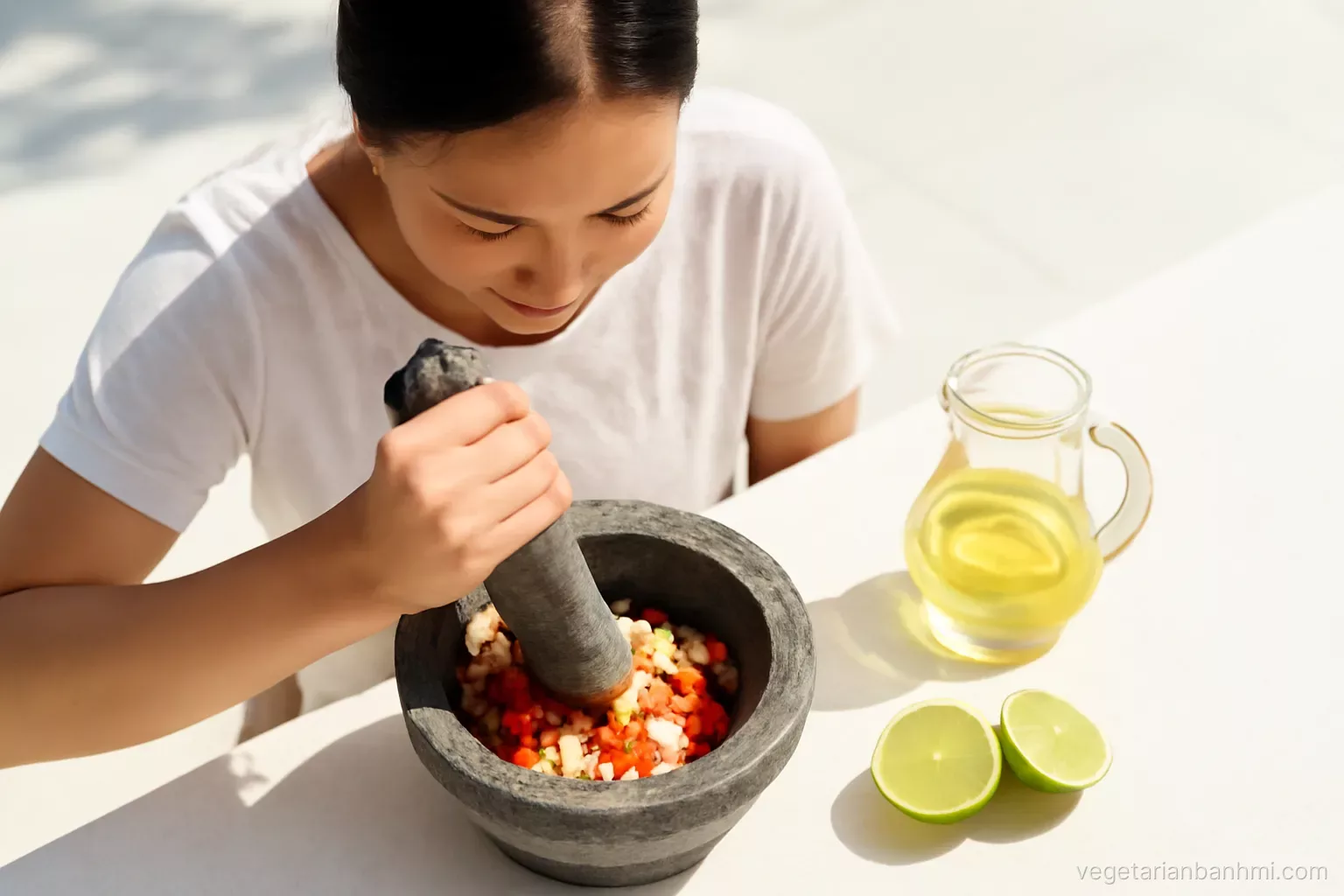
- Prep the aromatics. Peel off the tough outer layers of lemongrass, trim the root and use the bottom 10 to 12 cm (4 to 5 inches). Slice thinly, then mince very finely by hand or pulse in a small food processor. Mince the shallots and garlic separately; they cook at different speeds.
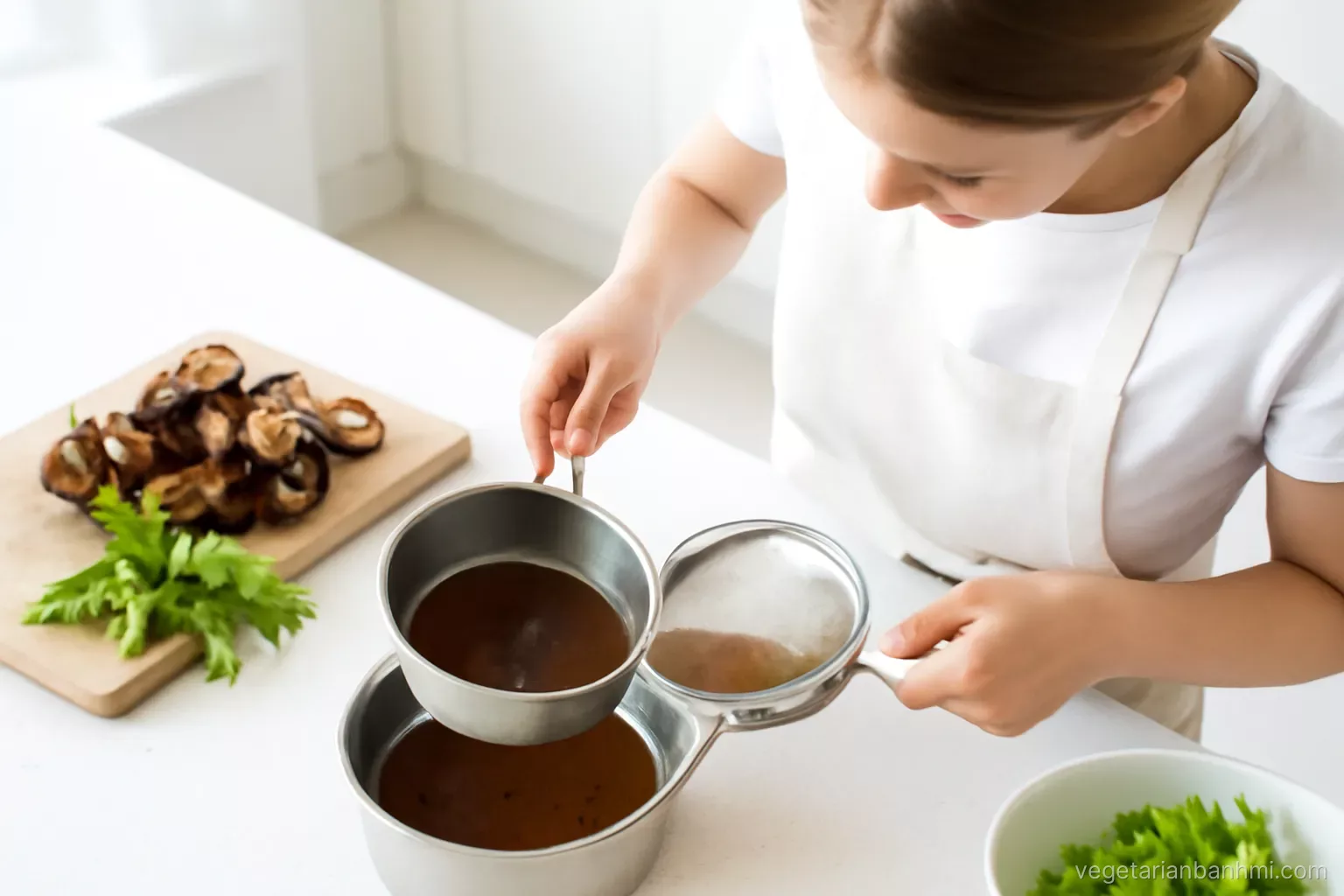
- Make annatto oil (optional). Warm the oil with annatto seeds over low heat for 3 to 4 minutes until it turns deep orange-red. Do not let the seeds smoke. Strain out the seeds.
- Fry the lemongrass. Return the oil to a small saucepan or wok over medium-low heat, around 130 to 140°C (265 to 285°F) if you have a thermometer. Add the lemongrass and fry, stirring often, for 8 to 10 minutes until it is dry, fragrant and pale gold.
- Add shallots, then garlic. Add the shallots and cook 4 to 5 minutes until golden, then the garlic for about 2 minutes. Stop as soon as the garlic turns light gold; it keeps darkening in the hot oil and turns bitter if it browns.
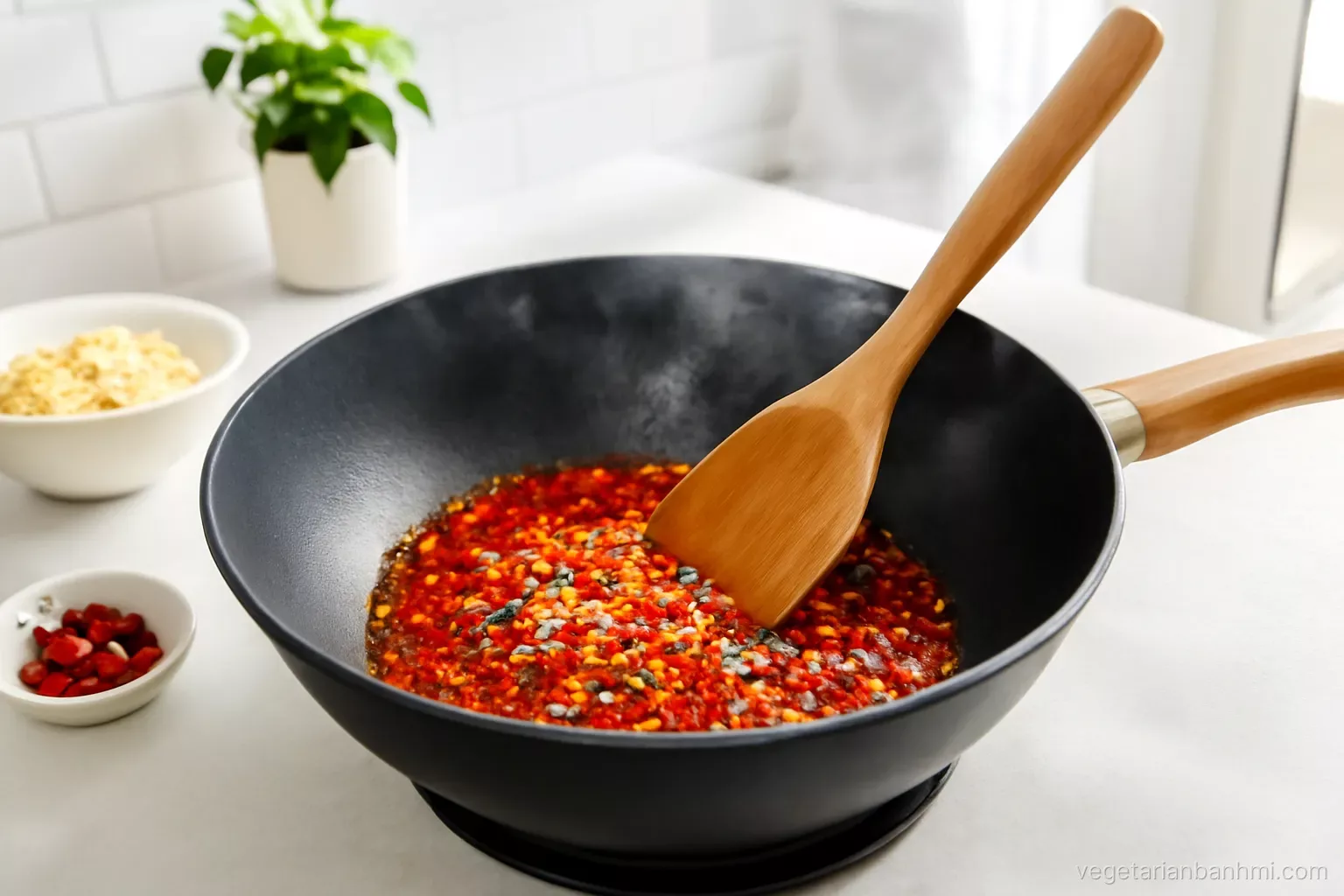
- Cool slightly, add chili. Take the pan off the heat and wait 1 to 2 minutes, until the oil stops bubbling vigorously, around 110 to 120°C (230 to 250°F). Stir in the chili flakes and fresh chilies. Adding flakes to very hot oil scorches them black and bitter in seconds.
- Season. Return to low heat, add the soy sauce, sugar and salt, and stir for 2 to 3 minutes until the sizzling calms and the sugar dissolves. The soy sauce will spit briefly; stand back.
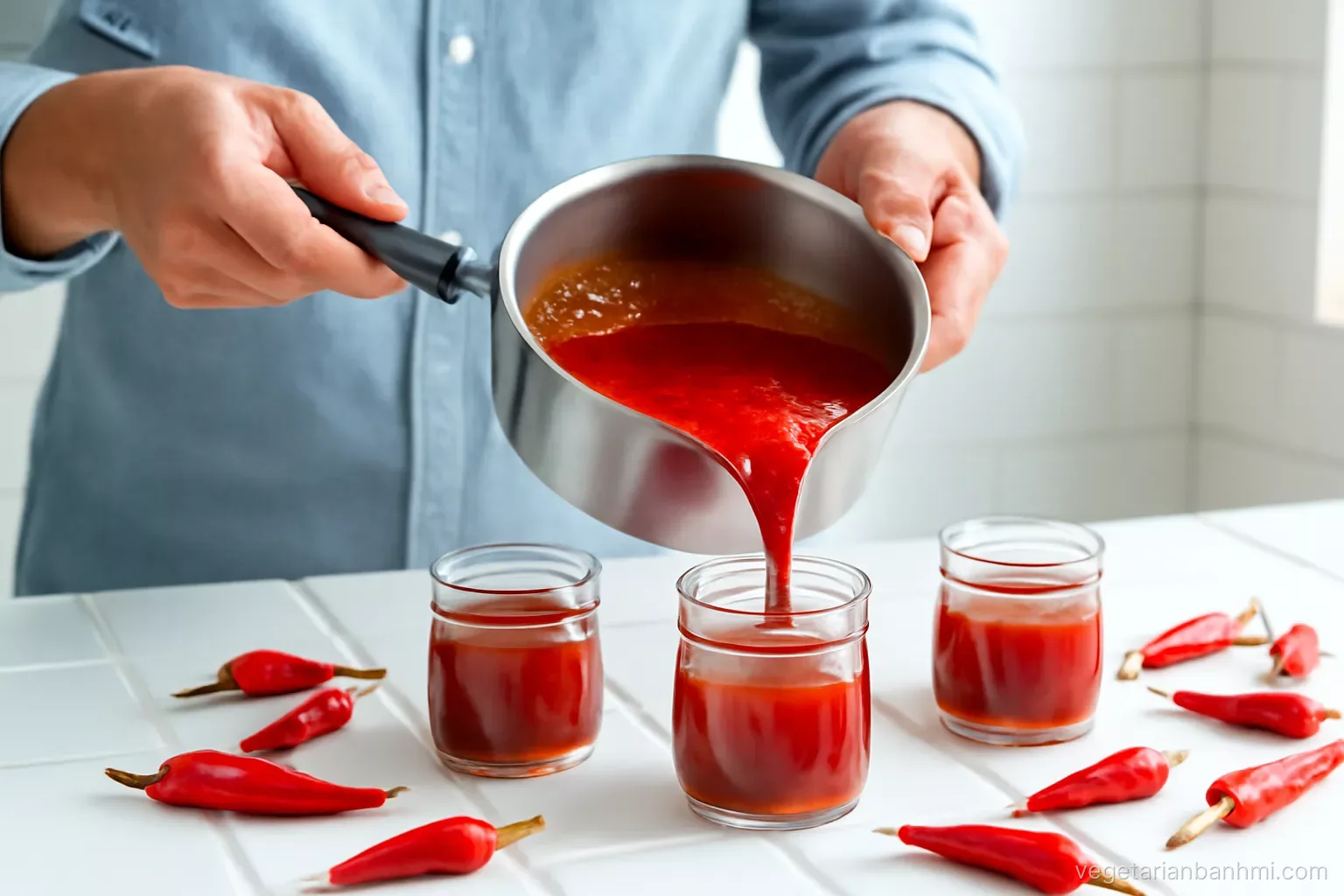
- Cool and jar. Let it cool completely in the pan, then spoon into clean, dry jars, making sure the solids are covered by oil. Refrigerate right away.
Food safety: the part most recipes skip
Garlic, shallots, lemongrass and fresh chilies are low-acid ingredients that can carry spores of Clostridium botulinum. Oil cuts off oxygen, which is exactly the environment the spores need to become active, and home kitchens have no way to measure whether a batch is safe at room temperature. That is why university extension services and the National Center for Home Food Preservation advise refrigerating homemade garlic-in-oil and using it within a few days, or freezing it. The Centers for Disease Control and Prevention's botulism guidance likewise names oils infused with garlic or herbs among the home-prepared foods that need careful handling.
Frying the aromatics until dry reduces moisture, and the soy sauce adds salt, but neither has been tested to make this recipe shelf-stable. Commercial chili crisps are produced under controlled processes; your stovetop batch is not. So we follow a deliberately cautious rule:
- Refrigerate within two hours of cooking, at or below 4°C (40°F).
- Use within one week.
- Freeze the rest the day you make it: spoon into ice-cube trays or 60 ml (1/4 cup) jars, leaving headspace. Quality holds about three months, and the oil stays scoopable straight from the freezer.
- Never leave a jar on the dining table between meals, even though Vietnamese noodle shops do; shops make fresh batches constantly.
- Use a clean, dry spoon every time. Water droplets shorten shelf life.
The oil solidifies a little in the fridge. Spoon out what you need and let it sit for 10 minutes, or warm the spoonful briefly in a pan.
Vegetarian add-ins for texture
Vietnamese vegetarian kitchens often bulk out sa tế so it is more of a crunchy relish than a pure oil. Two easy additions: 50 g (about 1/2 cup) finely chopped fried tofu, added with the chili flakes, which soaks up the flavored oil and gives little chewy bites; or 30 g very finely chopped fresh shiitake fried with the shallots until crisp, which adds the savory depth that dried shrimp would otherwise bring. Both add moisture and protein, so the one-week fridge limit matters even more for these versions. A spoonful of toasted sesame seeds stirred in at the end adds crunch without changing storage times.
Common mistakes and fixes
Bitter, dark paste. The garlic or chili burned. Next time, add garlic last among the aromatics and pull the pan off the heat before the chili goes in. Unfortunately, a bitter batch cannot be saved.
Lemongrass stays chewy. It was minced too coarsely or not fried long enough. Lemongrass should be cut almost to a powder, then fried until it no longer looks wet.
Not red enough. Use gochugaru or annatto oil. Paprika also adds color, but add it with the chili flakes, never to very hot oil.
Too oily for a sandwich. Scoop mostly solids with a fork and let the oil drip off before spreading.
How to use sa tế
- Banh mi: 1/2 to 1 teaspoon over the filling, or stirred into vegan mayo (1 teaspoon per 2 tablespoons) for a spicy lemongrass spread.
- Tofu marinade: 1 tablespoon sa tế, 1 tablespoon soy sauce and 1 teaspoon sugar per 200 g (7 oz) tofu, then pan-fry.
- Noodles and soup: a spoonful in vegan noodle soups, as Vietnamese diners do with bún bò Huế.
- Stir-fries: start a vegetable stir-fry with a teaspoon instead of plain oil.
For tofu techniques that pair perfectly with sa tế, see our plant-based fillings section. If you are making sandwiches ahead, keep sa tế in a separate pot; our meal prep and storage guides explain why wet toppings should go on at the last minute.
Sources
- National Center for Home Food Preservation – nchfp.uga.edu (flavored oils and garlic in oil)
- Centers for Disease Control and Prevention – cdc.gov (botulism and home-prepared foods)
- USDA Food Safety and Inspection Service – fsis.usda.gov (two-hour rule and refrigerator temperatures)
Frequently asked questions
Is regular sa tế vegan?
Often not. Many jars contain dried shrimp, shrimp paste or fish sauce. Look for "sa tế chay" on vegetarian products, or make this version with soy sauce.
Why can't I keep homemade chili oil in the cupboard?
Fresh aromatics such as garlic and lemongrass in oil can allow botulism bacteria to grow at room temperature. Home recipes are not tested for shelf stability, so refrigerate and use within a week, or freeze.
Can I use dried lemongrass?
Fresh or frozen lemongrass gives far better flavor and texture. Frozen minced lemongrass from Asian grocers works well; dried lemongrass turns woody and has little aroma.
How spicy is sa tế?
It depends on the chili flakes. With gochugaru it is moderately hot; with bird's eye chili it is very hot. Start with half a teaspoon on a sandwich.
Can I freeze sa tế?
Yes, and it is the best way to keep a big batch. Freeze in small portions for up to about three months and thaw in the fridge.
Lemongrass Heat at Home, Spicy Tofu in Saigon
A spoonful of homemade sa tế gives your vegan banh mi a fragrant, smoky kick. When you visit Ho Chi Minh City, try the spicy tofu banh mi at Bánh Mì XANH, a fully vegan chain with 5 central shops open 24/7, including one in the Bùi Viện backpacker area.
Explore the Bánh Mì XANH menu · 24/7 hotline / Zalo +84 923 183 183